
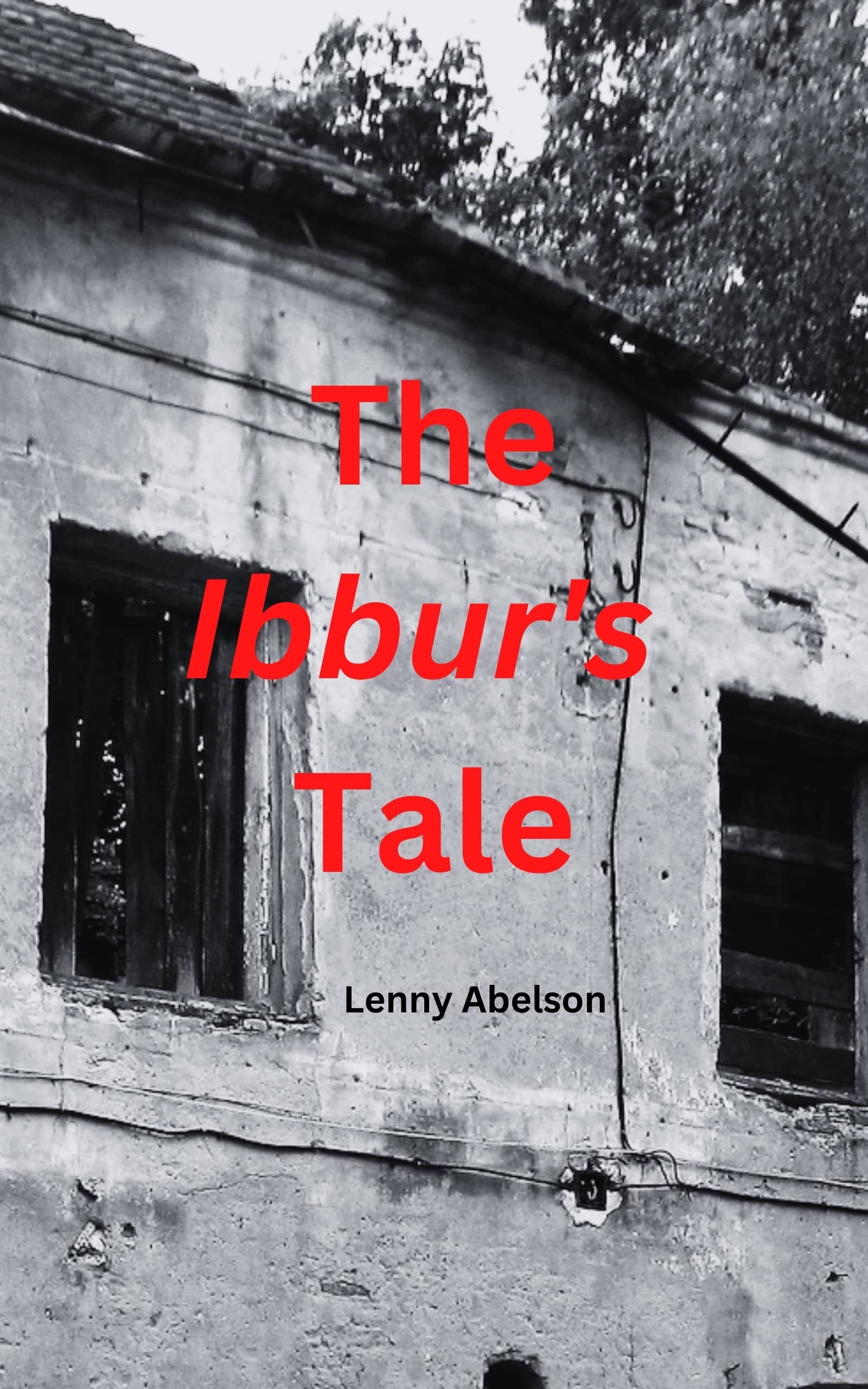
Dear readers, tonight we’re chatting with an English literature professor who encountered a most unusual ghost. Straight out of Eastern European Judaic mythology, it has led him on a journey of discovery and mysteries.
TPS: We were pleased to have the opportunity to speak with Professor Emeritus Benjamin Dinerstein about his experiences with an ibbur and the remarkable history the two of them uncovered. Professor, welcome!
BD: Thank you very much, and please call me Ben. It is a pleasure to meet you.
TPS: Likewise. Well, Ben, it is now more than twenty-two years since your encounter with the ibbur. Have you had any further contact either with her or Zephaniah, the mysterious old woman who played such a prominent role in the narrative?
BD: Sadly, I have not.
TPS: But you are quite certain that you actually encountered an ibbur, in this case, the ghost of your former student, Miriam?
BD: Excuse me. I hate to wax pedantic, but I must make a quick correction. An ibbur is not to be confused with a ghost. It is a very specific type of possessive spirit. Miriam came to me seeking my assistance. She had one last mitzvah, a good deed, to perform, and that was to finish her uncle’s quest. In fairness, she would surely have completed the task herself had she not been killed in the automobile accident. That said, I am absolutely certain that the entity I encountered was indeed Miriam.
TPS: I understand. In fact, I found the story quite convincing myself. Why, there’s so much history — not only her family’s saga, but European history, from before World War One through World War Two…
BD: … and, as you probably realized as quickly as I did, it all “fits.” As implausible as it might seem, these events took place almost exactly as Susanna, whom Miriam had planned to contact, described them.
TPS: I found Susanna absolutely fascinating. What remarkable strength she must have had!
BD: I got to know her quite well over the years, and she was a wonderful woman. She died just a few months ago, though not before she had seen five great-grandchildren.
TPS: But Naomi was her only child?
BD: Yes. It seems that irony ran rampant in that family. Michael Goldberg, Susanna’s husband, had had a bad case of mumps and was apparently unable to have children of his own. Similarly, Zephaniah told me that the man Yosef Müller believed was his father had also been rendered sterile by that disease. However, it seems as though everything fell into place nevertheless, didn’t it?
TPS: Indeed. Now, I must ask you something a little more personal. You have long described yourself as a skeptic, yet you seem so willing to accept an encounter with a purported ibbur without any reservations. Did you step out of character? Did you make an exception because of your feelings toward Miriam, your former student?
BD: Not at all! Like the ancient Greek skeptics, I tend to withhold assent, at least initially. Thereafter, I reserve judgment until I have gathered sufficient information. The image of Miriam convinced me that she was indeed my brilliant student, and the strange family saga that we unfolded was considerably more believable than the appearance of an ibbur. Everything made sense, except —
Continue reading “Prof Benjamin Dinerstein (of The Ibbur’s Tale, by Lenny Abelson)” The Protagonist Speaks
Recent Comments